Male Pelvic Pain and Pelvic Pain in People with Male Anatomy in Midtown, NY
Disclaimer: Please note that throughout this page we will be using the terms “people with male anatomy” when discussing clinical presentation and anatomy. We have chosen these terms as they feel to be best practice at this time, but we acknowledge that gender and biological sex are a spectrum and language does not fully encapsulate that. We will continue to review and update this language as the discourse around this terminology continues to evolve.
Pelvic pain is a prevalent condition that can affect individuals with male anatomy across all age groups. This discomfort can stem from various causes, such as bacterial infections, inflammation, nerve damage, organ issues, or musculoskeletal imbalances. Factors like anxiety or overexertion during physical activity may also contribute to the pain. Treatment options will vary depending on the root cause of your condition. A healthcare provider may suggest medications, surgery, or physical therapy to help manage your symptoms and improve your overall well-being. Let’s take a closer look at how pelvic floor physical therapy can provide relief from your discomfort and enhance your quality of life in Midtown, NY.
Common Symptoms of Pelvic Pain in People with Male Anatomy
- Pain with sitting
- Pain at scrotum or testicles
- Abdominal sensitivity or pain
- Sensitivity at tip of penis
- Penile changes – such as “shrink” or doesn’t enlarge like it used to
- Pain in rectum
- Erectile dysfunction
- Pain during/after urination/defecation/orgasm
Associated complaints that may exist:
- Urinary urgency
- Urinary frequency
- Burning with urination
- Incomplete bladder voiding
- Constipation
- Incomplete bowel voiding
- Orofacial pain
- Incomplete ejaculation
- Difficulty achieving or maintaining an erection
Experiencing pelvic pain in Midtown? Our dedicated team is here to help you find relief and improve your quality of life.
Common Diagnosis of Pelvic Pain in People with Male Anatomy
Prostatitis refers to inflammation of the prostate gland, which can lead to symptoms such as painful urination, urinary frequency, or aching in the pelvic region, groin, or genitals. While some forms of prostatitis are triggered by bacterial infections and improve with antibiotics, others are not infection-related and may require different treatments.
The prostate is a small, walnut-sized gland situated just below the bladder, wrapping around the urethra—the duct that carries urine out of the body. It plays an essential role in producing semen, which supports sperm transport during ejaculation.
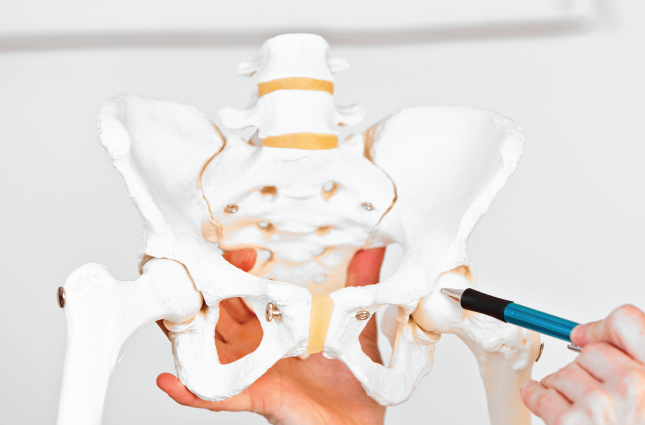
Types of Prostatitis:
Type #1 – Acute Bacterial Prostatitis:
Type #2 – Chronic Bacterial Prostatitis:
Type #3 – Chronic Abacterial (Chronic Pelvic Pain Syndrome):
Common symptoms and interventions
- General Pelvic Pain – pain with sitting at scrotum or testicles, abdominal sensitivity or pain, sensitivity at tip of penis, pain in rectum
- Manual therapy, exercises, stretches, desensitization, behavioral modifications, postural correction
- Urinary dysfunction – painful voiding, incomplete voiding, increased urinary frequency
- Dietary modifications, bladder retraining, medication (alpha blockers, anticholinergics)
- Palpable tenderness/spasms/TrP in abdomen and pelvis
- Physical therapy, muscle relaxants (valium suppositories), exercise
- Psychosocial considerations – depression, stress, anxiety
- Talk therapy/counseling, antidepressants, mindfulness and meditation, breathing
Type #4 – Asymptomatic Inflammatory:
Inflammation of the prostate without symptoms is a condition often observed in individuals who are also dealing with benign prostatic hyperplasia (BPH), which refers to the non-cancerous enlargement of the prostate gland. While the inflammation itself may not cause noticeable symptoms, its presence is still clinically relevant and frequently accompanies other urological issues tied to prostate enlargement.
Chronic Testicular Pain, medically referred to as orchialgia or chronic scrotal pain, involves persistent discomfort or aching within the scrotum that can be difficult to accurately diagnose. This pain may appear suddenly and with high intensity, or it may build gradually over time and persist for several months. In either case, the condition often significantly impacts quality of life and may have various musculoskeletal, neurological, or post-surgical origins.
Penile Pain may present in any section of the penis—whether it’s the base, the shaft, or the glans—and can interfere with multiple aspects of daily living. This includes urination, sexual intercourse, exercise, and even routine tasks like wearing tight clothing. The pain may be persistent or come and go, and it can stem from diverse causes such as nerve irritation, trauma, or pelvic floor dysfunction.
Causes:
- Intracavernous injection of drugs for erectile dysfunction
- Paraphimosis (constriction of the glans penis by foreskin)
- Priapism (persistent and painful erections unrelated to sexual arousal)
- Penile prosthesis surgery
- Penile changes – such as “shrink” or doesn’t enlarge like it used to
- Peyronie’s disease (development of fibrous scar tissue inside the penis),
- Circumcision
- Herpes genitalis
- Ilioinguinal nerve entrapment (supplies base of penis)
Muscle Overactivity is a condition in which the muscles of the pelvic floor become excessively tight and fail to return to a relaxed state, even when they should. This lack of proper relaxation can result in an array of distressing symptoms, such as persistent pelvic discomfort, challenges with urinary or bowel function (including both incontinence and difficulty urinating or defecating), and even problems with sexual function like difficulty achieving or sustaining an erection. Overactive pelvic floor muscles can also create painful trigger points, which may radiate discomfort to other regions of the body, and in some cases, may press on nerves, compounding the symptoms and potentially leading to additional neurological complications.
Benign Prostatic Hyperplasia (BPH), more commonly known as enlarged prostate, refers to the non-cancerous growth of the prostate gland as individuals age. The prostate, located just beneath the bladder and responsible for producing a component of semen, often begins to enlarge over time—affecting as many as 80% of those with a prostate. As the gland grows inward, it may compress the urethra, making it difficult to urinate. Common symptoms include a weak urine stream, intermittent flow, or trouble initiating urination. In about one-third of individuals with BPH, this leads to more significant lower urinary tract symptoms (LUTS).
Symptoms:
- As the urethra becomes constricted, the bladder must exert more effort to expel urine. This overexertion causes the bladder walls to thicken.
- Thickened bladder walls reduce bladder capacity, making individuals feel the need to urinate more frequently due to decreased urge threshold.
- Incomplete bladder emptying may occur as the urethra remains partially obstructed, creating increased pressure and contributing to urinary retention.
- Residual urine that remains can elevate the risk of urinary tract infections, bladder stones, or, in more severe cases, damage to the kidneys.
Post-Vasectomy Pain Syndrome (PVPS) is a chronic condition defined by ongoing testicular pain that continues for three months or more following a vasectomy. This condition affects roughly 15% of people who undergo the procedure. The pain may vary, sometimes presenting as a dull, infrequent ache, while in other cases, it manifests as sharp and persistent discomfort that can interfere with routine daily activities. Severe or unrelenting pain may require clinical intervention to manage symptoms effectively.
Causes:
- Inflammation
- Pressure on vas deferens – sperm is still being produced, eventually acclimates
- Vascular stasis
- Nerve impingement, fibrosis around nerve
Pudendal Neuralgia, sometimes referred to as pudendal nerve entrapment, involves ongoing pelvic pain that stems from irritation, inflammation, or compression of the pudendal nerve. This crucial nerve, when impaired, can lead to intense discomfort described as stabbing, burning, or electrical pain. The sensations can extend to areas such as the perineum, rectum, or penis, depending on the extent and location of the nerve involvement.
Interstitial Cystitis (IC), also known as painful bladder syndrome, is a persistent and often debilitating condition that affects the bladder and surrounding pelvic structures. It typically manifests as a combination of pelvic pain, pressure in the bladder area, and varying degrees of bladder pain. For some individuals, the pain is mild and intermittent, while for others, it can become severe and constant.
Types of IC:
- Ulcerative (lesions, not actual ulcers)
- Non-ulcerative: bladder hemorrhages suggesting irritation or inflammation
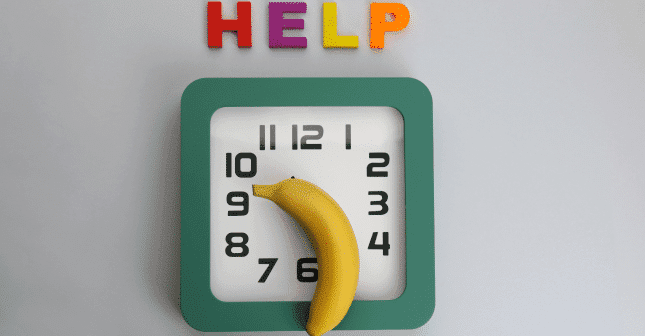
Hard flaccid syndrome (HFS) is a complex and distressing condition marked by a range of symptoms that can significantly impact quality of life. Individuals with HFS often experience a semi-erect or firm penis in the flaccid state, a glans that remains soft during erection, discomfort or pain in the pelvic region, decreased sexual desire, and challenges achieving or maintaining erections. Additional symptoms may include pain with erections or ejaculation, numbness or a sensation of coolness in the penis, urinary complications, and mental health struggles such as anxiety or depression related to the condition.
Hernias develop when there is a weakness in the abdominal or pelvic muscles, allowing organs or tissues to protrude through the compromised area, often resulting in visible bulging and discomfort. The most prevalent form is an inguinal hernia, where a section of tissue or intestine pushes through the groin. Hiatal hernias involve the stomach moving upward through the diaphragm into the chest, while umbilical hernias occur near the navel when abdominal contents push through a weakened area in the abdominal wall. Each type presents unique challenges and may require different approaches to treatment.
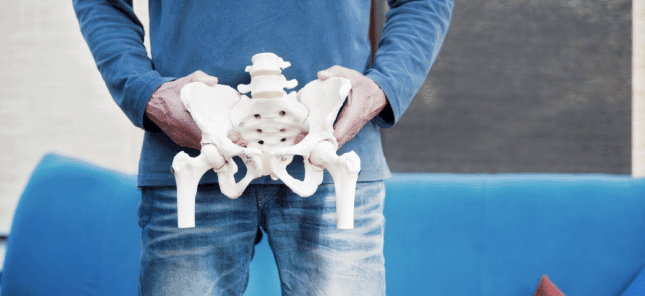
Benefits of Working with a Pelvic Floor Physical Therapist in Midtown, NY
- Relieve pain and minimize discomfort
- Release tension held in tight, overactive muscles
- Enhance movement and function through manual techniques and guided exercises at home
- Re-establish proper muscle balance and coordination in the pelvic floor
- Boost circulation to support your body’s natural healing process
- Support full-body recovery and restore physical performance
What To Expect
During Your Initial Appointment
During Your Additional Appointments
Most individuals begin to see improvements in their symptoms within 8 weeks, though some may notice relief even sooner.
How Pelvic Floor Physical Therapy in Midtown, NY Can Help with Pelvic Pain
Reduce your pelvic pain today.
Client Testimonials
Beyond Basics: We Can Help
At Beyond Basics in Midtown, we are dedicated to treating pelvic floor issues with the utmost sensitivity to the unique needs of each individual, regardless of sex, race, identity, age, or sexual orientation. Our approach is deeply rooted in a comprehensive biopsychosocial model, treating the whole person with care, compassion, and respect. Since our founding in 2003, Beyond Basics has served as a place of hope and healing for our patients. We believe that with skilled, compassionate care, your body can regain harmony and balance. Amy Stein, our founder, and Corey Hazama, our co-founder, are recognized leaders and experts in the field of pelvic floor physical therapy.
The team of physical therapists at Beyond Basics is among the most highly trained in the world, with extensive education and experience that allows them to provide exceptional pelvic floor rehabilitation. Our therapists undergo hundreds of additional hours of training, both internally and externally, through respected institutes such as Herman and Wallace and the American Physical Therapy Association. This ensures that they have the most up-to-date knowledge and skills to offer you the best care possible. In addition to being leaders in pelvic floor dysfunction, each therapist has developed unique skills and expertise, reflecting their personal interests and dedication to improving your health. Learn more about our therapists and their qualifications here.