

Clitoral Pain in Queens, NY

At Beyond Basics, we recognize that individuals experiencing clitoral pain often face unique and complex challenges. Our care approach is patient-centered and holistic, carefully designed to address both the symptoms and the root causes of discomfort. Using a variety of specialized physical therapy techniques, we work to reduce pain, restore optimal pelvic function, and enhance overall quality of life. Every plan is personalized, ensuring that treatment is effective, thorough, and compassionate, allowing patients to regain comfort and well-being while addressing the underlying factors contributing to their condition.
Symptoms of Clitoral Pain
- Persistent throbbing or aching
- Sharp, stabbing pain
- Burning sensation
- Pain during or after pressure
- Itching around the clitoris
- Sensitivity to touch
- Rawness or irritation
- Pain during urination
- Discomfort with tight clothing
- Increased pain during sexual activity
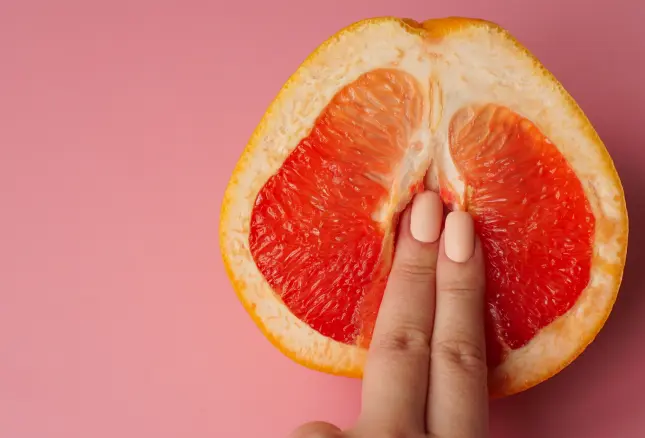
Our team can help reduce your clitoral pain and restore your sexual health.
What are Causes of Clitoral Pain?
Clitoral pain, also identified by healthcare professionals as clitorodynia, can have multiple origins. The following summary explores some of the common culprits that may be responsible for causing this type of pain.
Skin conditions:
- Lichen sclerosus: A condition caused by autoimmune activity, leading to the formation of white, itchy patches on the vulva. When these patches involve the clitoris, it can produce persistent pain and sensitivity that may affect comfort and sexual function.
- Lichen planus: Similar to lichen sclerosus, this condition produces purple, itchy bumps on the vulva and can also involve the clitoris. Pain and irritation are common symptoms that may require medical management to improve daily quality of life.
- Vulvar dermatitis: A broad term referring to inflammation and irritation of vulvar skin. Common triggers include soaps, detergents, personal hygiene products, or friction from clothing, which can lead to discomfort or pain in the clitoral area.
Infections:
- Yeast infections: Fungal infections of the vulva, commonly referred to as yeast infections, can cause persistent burning, itching, and irritation. The clitoris may also become affected, resulting in localized pain and heightened sensitivity that interferes with daily life.
- Bacterial infections: Bacterial infections, including bacterial vaginosis, can cause inflammation, itching, and clitoral discomfort. Addressing these infections promptly is important to relieve pain and maintain the health of vulvar tissue.
- Sexually transmitted infections (STIs): Certain STIs, including herpes, chlamydia, and gonorrhea, can produce vulvar irritation and pain that may affect the clitoris. Proper diagnosis and treatment are essential for symptom relief and overall sexual health.
Other causes:
- Keratin pearls: These benign white bumps may develop on the clitoris. Although harmless in most cases, they can occasionally obstruct the clitoral hood and cause irritation or mild pain.
- Injury: Clitoral pain can arise from physical trauma during sexual activity, friction from tight clothing, or childbirth-related injury. Addressing the underlying cause is essential for relief.
- Vulvodynia: A chronic condition affecting the vulva, vulvodynia may include the clitoris and result in long-term or recurring pain that impacts daily comfort and quality of life.
- Nerve compression: When nerves in the clitoral area are compressed or irritated, pain can develop. This may occur due to tight muscles, scar tissue, or anatomical issues affecting nerve pathways.
- Underlying health conditions: Health conditions such as diabetes can interfere with nerve function, potentially leading to clitoral pain. Managing these conditions effectively can help minimize discomfort.
Keep in mind that this list represents only a portion of the potential causes of clitoral pain. For accurate diagnosis and appropriate management, it is highly recommended to see a doctor who can thoroughly examine your condition, determine the underlying factors, and suggest a treatment plan that best addresses your specific needs.

What Does the Pelvic Floor Have To Do With Clitoral Pain?
The pelvic floor is a crucial network of muscles that stretches between the tailbone and the pubic bone, occupying the area that contacts a seat when sitting on a bicycle. These muscles provide support to the pelvic organs, aid in the control of bladder and bowel function, and contribute to sexual response through their ability to contract and relax during sexual activity. Maintaining their health is essential for proper pelvic function.
Clitoral pain can have a direct effect on the pelvic floor muscles. When these muscles are tense, weakened, or otherwise dysfunctional, they can exert pressure on nearby structures, including the pudendal nerve. This pressure can result in irritation of the clitoris and pain, highlighting the importance of assessing and treating pelvic floor dysfunction for relief.

Causes of Pelvic Floor Dysfunction
Pelvic floor dysfunction may result from a variety of physical, medical, or lifestyle-related causes. The list below is not exhaustive but outlines some of the more frequently seen reasons why individuals experience tension, weakness, or irregular function in the muscles of the pelvic floor.
- Psychological Stress
- Hip Injury/Pathology
- Gynecological Disorders (i.e. endometriosis)
- Childbirth (including both vaginal childbirth and C-sections)
- Low Back Injury/Pain
- Poor Posture
- Core Weakness
- Constipation
- Abdominal Surgery
Benefits of Working with a Pelvic Floor Physical Therapist For Clitoral Pain
Engaging with a pelvic floor physical therapist can provide a wide range of benefits for individuals who are experiencing clitoral pain:
- Alleviate clitoral and surrounding area pain
- Loosen tight muscles, reducing discomfort
- Enhance mobility and function through personalized exercises
- Rebalance the muscle dynamics of the pelvic floor
- Boost blood flow to facilitate healing
- Achieve better overall pelvic health and quality of life
- Improve sexual arousal
Living in Queens comes with unique demands, and maintaining pelvic health is an important part of your overall well-being. If you are experiencing pain or wish to prevent potential issues, you benefit from personalized, compassionate care that targets your specific needs. Supportive guidance and effective treatment strategies can help you restore comfort, improve function, and enhance your quality of life.

What To Expect
During Your Initial Appointment
During the first session, the team at Beyond Basics will ask extensive questions about your health background, current symptoms, and any challenges you are experiencing with clitoral discomfort. This step provides the necessary context for understanding your condition and allows us to create a treatment plan that is carefully tailored to your individual needs.
Following this assessment, we perform a detailed physical examination. This hands-on evaluation looks at your entire body and, when appropriate, includes an internal and external assessment of the pelvic floor muscles. The objective is to identify the root cause of your pain and design a plan to alleviate discomfort and improve your overall function.
Manual treatment techniques are applied with care to the muscles, nerves, and bones of the pelvic region. Ensuring your comfort and safety is a top priority, and you maintain full control over the treatment, with the ability to refuse any procedure at any point. Your physical therapist will also provide home exercises that are specifically tailored to your needs to help reduce pain, strengthen the pelvic floor, and support long-term relief between sessions.
During Your Additional Appointments
Each pelvic floor physical therapy appointment lasts roughly one hour, during which your therapist may employ a variety of approaches, including manual therapy, instruction in therapeutic exercises and movement techniques, discussions about progress, answers to questions, and patient education about your pelvic health. Time is also spent reviewing and refining your at-home program to ensure you are performing exercises safely and effectively.
For most patients, improvement in symptoms can be observed within about eight weeks of consistent therapy, though some individuals experience positive changes even earlier. The combination of professional guidance, targeted exercises, and home practice supports both short-term relief and long-term pelvic health.

How Pelvic Floor Physical Therapy Can Help with Clitoral Pain
For individuals in Queens experiencing clitoral discomfort or pelvic floor dysfunction, physical therapy can be an effective way to address the root causes of your symptoms. By focusing on the pelvic floor muscles and interconnected areas such as the hips, spine, and abdominal organs, therapy promotes functional improvement and long-term relief from pain and tension.
A well-trained physical therapist will prioritize your comfort, safety, and confidence throughout the treatment process. Each session is designed to provide personalized care, ensure proper technique, and support you in achieving lasting relief and improved pelvic health.
Reduce your clitoral pain today.
Client Testimonials
Sexual Pain Conditions We Treat
Along with clitoral pain, we provide treatment for a broad spectrum of sexual pain conditions affecting individuals with female anatomy. These conditions may involve pelvic floor dysfunction, pain during intimacy, and other issues that interfere with sexual health, overall comfort, and quality of life.
- Pelvic Pain
- Persistent Genital Arousal Disorder (PGAD)
- Menopause and Postmenopause-related Sexual Pain and Dysfunction
- Pelvic Congestion Syndrome
- Pudendal Neuralgia
- Dyspareunia
- Painful sex after giving birth
- Pelvic Inflammatory Disease
- Lichens Sclerosis
- Lichens Planus
- Endometriosis
- Vaginismus
- Vulvodynia/Clitorodynia/Vestibulodynia
- Perineum Pain
- Decreased Arousal
- Difficulty Achieving Orgasm
- Pain with Arousal
- Groin Pain, Coccyx Pain, Back Pain, Hip Pain
- Anismus
- Pain with Anal Penetration
- Painful intercourse/sexual intercourse
- Pain at the vaginal opening/throughout the vaginal muscles
- Vaginal dryness
- Recurring pain/chronic pain
- Deep intercourse pain

For people with male anatomy:
- Erectile Dysfunction
- Peyronie’s Disease
- Chronic Prostatitis (also known as Chronic Pelvic Pain Syndrome or Prostadynia)
- Decreased Ejaculation Strength
- Pain with Ejaculation
- Premature Ejaculation
- Anismus
- Pain with Anal Penetration
- Varicocele
- Testicular or Penile Pain
- Perineum Pain
- Decreased Arousal
- Groin Pain, Coccyx Pain, Back Pain, Hip Pain
- Pain during sex
- Recurring pain
- Deep intercourse pain