

Bloating Relief in
Queens, NY
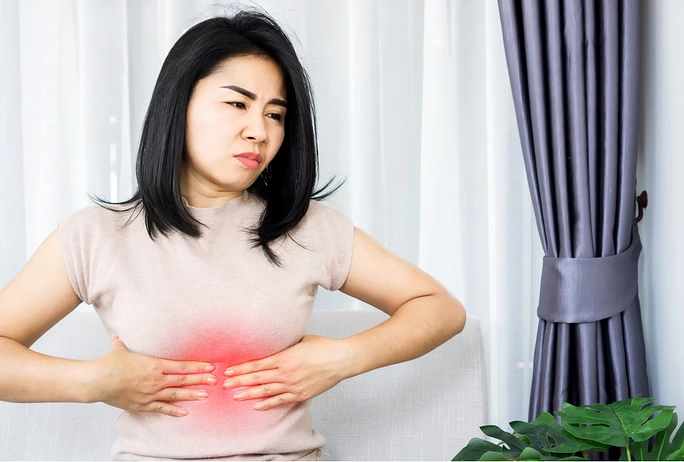
Many patients in Queens, NY experience bloating as an ongoing and disruptive concern that affects more than digestion alone. The uncomfortable sensation of abdominal fullness can make it challenging to concentrate, remain active, or feel at ease in social and professional settings. While bloating is frequently attributed to digestive issues, it is also shaped by how the abdominal wall, diaphragm, and pelvic floor muscles function together.
The pelvic floor plays a meaningful role in bowel coordination and the proper release of gas and stool. When these muscles are tense, weakened, or not working in harmony with surrounding structures, they may contribute to bloating, constipation, gas retention, and sensations of abdominal pressure. For many Queens patients, identifying pelvic floor involvement provides a clearer understanding of persistent symptoms.
It is helpful to differentiate between bloating and abdominal distention. Bloating involves the internal feeling of tightness or fullness, whereas distention refers to the visible swelling of the abdomen. These experiences may present together or separately and can result from gas accumulation, air swallowing, slowed digestion, or impaired muscular coordination.
Pelvic floor physical therapy addresses these contributing factors by focusing on muscle balance and bowel mechanics. Treatment may incorporate manual therapy, guided exercises, breathing techniques, and education to support improved coordination and reduce discomfort over time.
What Causes Bloating?
Bloating is often influenced by multiple factors such as pelvic floor dysfunction, diet, posture, core strength, stress, trauma, and other underlying causes. Eating large meals, consuming carbonated drinks, and eating foods that are difficult to digest are common triggers. Certain medical issues including irritable bowel syndrome, constipation, and food intolerances may also contribute to persistent bloating and discomfort in the abdomen.
When the pelvic floor muscles do not function properly, whether due to being tight, weak, or uncoordinated, they can interfere with the digestive process. Inefficient movement and support of the digestive organs can cause gas buildup, abdominal pressure, and discomfort that makes bloating more noticeable.
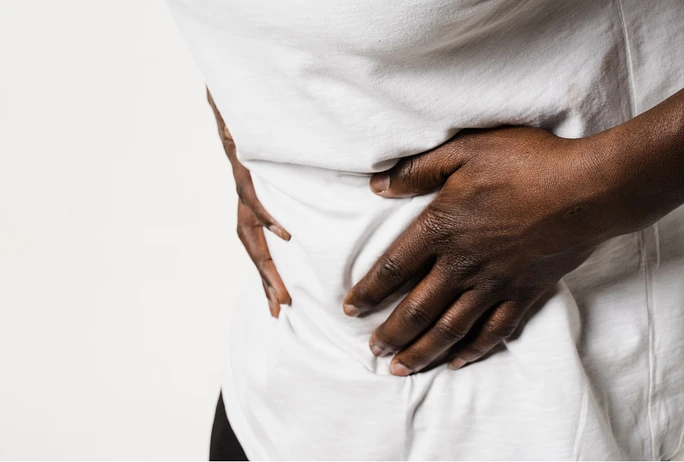

Symptoms of Pelvic Floor Dysfunction Related to Bloating
- Persistent bloating, especially after eating
- A feeling of fullness or pressure in the abdomen
- Difficulty with bowel movements, including constipation
- Abdominal pain or discomfort related to gas or impaired digestion
- Straining during bowel movements
- Diarrhea or irregular bowel movements
How Pelvic Floor Physical Therapy in Queens, NY Helps with Bloating
- Reducing Abdominal Pain and Discomfort: By addressing tight or overactive pelvic floor muscles, therapy can significantly lessen the abdominal pressure that often accompanies bloating. Relaxing these muscles helps restore comfort, reduces the sensation of fullness, and supports a more pleasant digestive experience.
- Improving Bowel Movements: Strengthening and improving the coordination of pelvic floor muscles encourages easier bowel movements. Clients often find that constipation decreases and elimination becomes more regular, which in turn helps reduce bloating and related discomfort.
- Enhancing Digestive Function: Proper pelvic floor engagement contributes to optimal digestive efficiency. When the muscles of the pelvic floor are functioning correctly, gas and waste move more naturally through the digestive tract, reducing bloating and improving overall digestive comfort.
- Promoting Relaxation and Comfort: Practicing relaxation techniques combined with targeted muscle training helps ease the tension in the pelvic floor. This approach allows clients to manage abdominal tightness, feel more at ease in their daily activities, and enjoy increased overall comfort.

What to Expect During Your Pelvic Floor Physical Therapy Sessions
During Your Initial Appointment
During your first appointment, we will begin with a comprehensive discussion about your current symptoms and how they affect your everyday activities and quality of life. Following this conversation, a thorough assessment of your pelvic floor muscles will take place, which may include gentle manual testing to observe muscle strength, tension, and coordination. The insights gained from this evaluation will help us create a treatment plan specifically tailored to your individual needs, focusing on improving pelvic floor function and alleviating bloating symptoms over time.
We will walk you through each step of the assessment, providing clear explanations of what we are doing and why it matters for your overall care. Our approach is designed to be patient centered, ensuring that you feel informed, supported, and at ease throughout the session while we gather the detailed information needed to provide personalized and effective therapy.
During Your Additional Appointments
Over the course of your upcoming sessions, you will engage in a progressive plan of care focused on improving pelvic floor muscle coordination, endurance, and relaxation. Treatment may involve manual therapy techniques to address tight or restricted tissues, individualized exercises that promote balanced muscle activation, and calming strategies designed to ease patterns of tension that can worsen bloating. As your symptoms change, your treatment plan will be refined to ensure that progress continues in a steady and supportive manner.
Each session functions as an essential component in developing better pelvic floor control and achieving relief from abdominal discomfort. Our aim is to help you experience greater physical ease and self assurance as you gain practical tools for managing symptoms, all while supporting your long term digestive and pelvic health.
Client Testimonials
Beyond Basics: We Can Help in Queens, NY
For patients in Queens, NY, pelvic floor care is most effective when delivered with respect for the whole individual. Treatment that acknowledges differences in sex, race, identity, age, and orientation helps ensure that patients feel seen and supported throughout the rehabilitation process. A biopsychosocial approach offers Queens patients a comprehensive pathway to healing that integrates physical therapy with attention to emotional and social influences.
Since 2003, patients pursuing pelvic floor rehabilitation have placed their trust in experienced clinicians known for both technical expertise and compassionate care. Influential professionals in the field, including Amy Stein and Corey Hazama, have helped elevate standards of treatment and education within pelvic health.
Patients in Queens, NY are served by therapists who invest extensively in post graduate education and specialty certification. Through advanced coursework with respected organizations such as Herman and Wallace and the American Physical Therapy Association, clinicians strengthen their ability to provide precise and compassionate rehabilitation. This dedication to excellence enhances patient outcomes and overall experience. Read more about each one of our therapists here.